
TreatmentVoice and throat
Voice surgery
Voice surgery may remove a polyp, cyst or other change affecting the vocal cords, or take a small tissue sample. The choice follows a voice-box examination and a discussion of voice therapy and other options.
ENT care in Bandra, MumbaiAbout Dr Adip Shetty
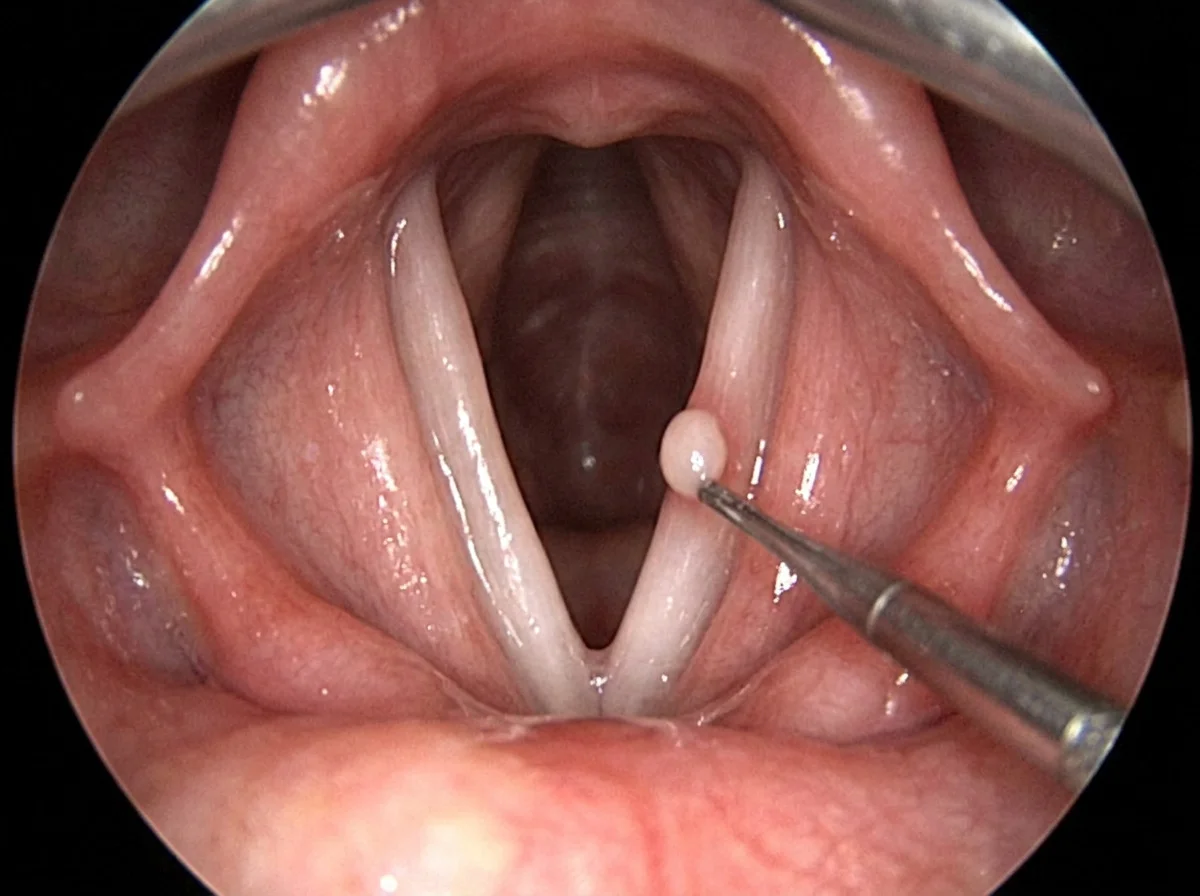
- Before surgery
- A camera examination identifies the problem.
- Approach
- Often through the mouth, under general anaesthetic.
- Recovery
- Voice rest and a gradual return to speaking are planned individually.
When might an operation help?
Some vocal-cord changes persist despite suitable voice care or therapy. Others need a tissue sample to establish the diagnosis. Nodules from voice strain often improve with therapy, so hoarseness alone is not a reason to operate.
What happens during the operation?
A scope through the mouth lets the surgeon examine the vocal cords closely with magnification. A small growth can be removed or sampled while protecting the vibrating surface. This approach is called microlaryngoscopy.
Planning your voice use afterwards
The voice may initially sound rougher. Follow the specific plan for silence or reduced talking; whispering is not a substitute for voice rest. Arrange time away from teaching, calls or singing as needed. Voice therapy may support a gradual return.
Risks and follow-up
Scarring can leave the voice unchanged or worse. Temporary tongue discomfort, dental injury, bleeding and anaesthetic risks are also possible. Follow-up checks healing and explains any laboratory result. Difficulty breathing after surgery needs emergency care.

A note on your care
“Tell me how you use your voice, especially if your work depends on it. Planning surgery should include a realistic conversation about rest, recovery and returning to those demands.”
A little more clarity
Common questions
General answers, so you can arrive with a clearer sense of what to ask.
How many days should I rest my voice?
It depends on what was done. Ask for written instructions about speaking, whispering and when to start using your voice again.
When can I sing again?
Return is gradual and depends on healing and the demands on your voice. A review and, often, voice therapy help guide it.
Will I still need voice therapy?
Often yes. Surgery treats a physical change; therapy helps reduce strain and support recovery.
Does a biopsy mean the doctor thinks it is cancer?
A biopsy is a way to find out what tissue is. It may be recommended for several reasons; the laboratory result provides the answer.
Sources and review
Updated . General information to help you prepare for a consultation. Information on this website does not replace a consultation.
Clinically reviewed by Dr Adip Shetty on .
Read next
Pages that sit beside this treatment.