Snoring and sleep
Snoring and sleep
Snoring and sleep consultations look at the nose and throat for a narrowing, in adults and in children. They do not diagnose sleep apnoea from the sound. A sleep study does that. Surgery is a later, specific conversation.
Who this visit is for
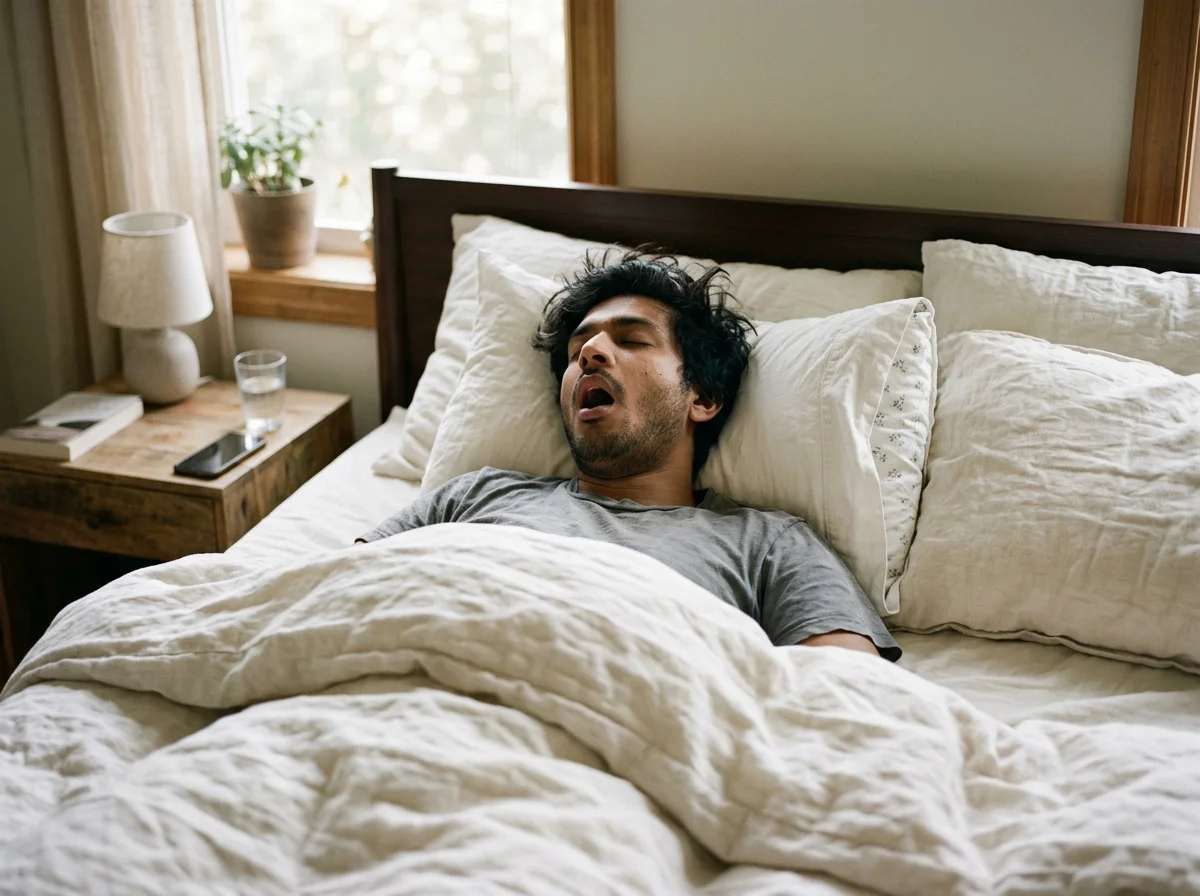
Adults whose partners hear the noise or have watched pauses. People who wake unrefreshed or sleepy in the day. Children who snore, mouth-breathe, or sleep restlessly. A cold that makes one noisy night is not this clinic visit.
What the consultation may involve
The nose, palate, tonsils, and, in a child, the question of adenoids. Daytime sleepiness, weight, and other illnesses are part of the adult history. If pauses are described, a sleep study is the next fact, not an operation booked to avoid one. In a child the tonsils and adenoids are often the site, and they are still examined rather than assumed.
What this visit will not do
It will not promise that a nose operation stops snoring. It will not replace a pressure device for sleep apnoea with an operation as a preference. It will tell you whether an ENT procedure is even relevant, and what has to be known first.
Practical questions
Can you tell sleep apnoea by listening to snoring?
No. Snoring can exist without apnoea, and the pauses are measured in a sleep study. The examination shows possible narrow points. It does not make the diagnosis.
What if this feels urgent?
Difficulty breathing, heavy bleeding, or a throat that is swelling quickly needs emergency care. Do not wait for a reply to the website form. A hearing loss that arrives suddenly should be assessed the same day: call the clinic, or go to an emergency department if the clinic is closed.