
Snoring and sleep
Snoring
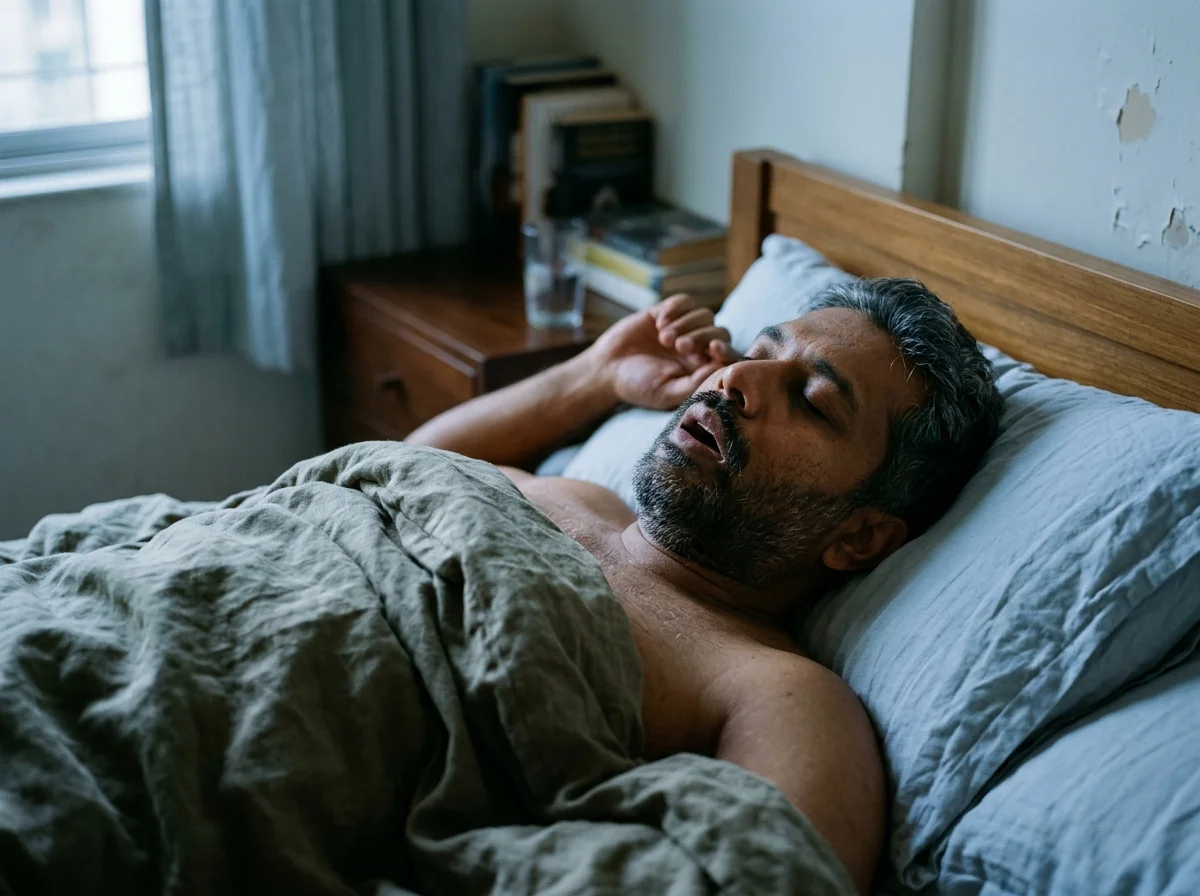
Snoring happens when tissues in the airway vibrate during sleep. It can be linked to a blocked nose, sleep position or narrowing in the throat. Breathing pauses need a check for sleep apnoea.
ENT care in Bandra, MumbaiAbout Dr Adip Shetty
On this page
What makes snoring more likely?
Sleeping on your back, alcohol near bedtime, extra weight and nasal blockage can contribute. In children, enlarged tonsils and adenoids are common reasons for noisy sleep.
What the assessment involves
The doctor checks the nose and throat and asks about sleep quality. A partner’s description or a short recording can help. A sleep study may be recommended when pauses, gasping or marked tiredness suggest sleep apnoea.
What may help?
Side sleeping, reducing alcohol and weight management where appropriate may reduce snoring. Treating a blocked nose can help if it contributes. Some adults benefit from a fitted mouth device. Surgery is considered only for a suitable cause.
Snoring in children
Regular snoring, restless sleep or breathing pauses deserve an assessment. Children may show irritability or difficulty concentrating rather than obvious daytime sleepiness. A cold can cause temporary noise; persistent symptoms need a review.

A note on your care
“Snoring often brings two people’s concerns into the room. What you notice during the day and what your partner notices at night both deserve to be heard.”
A little more clarity
Common questions
Can a nose operation stop snoring?
It may help nasal breathing, but snoring may come from the throat as well. An examination helps set realistic expectations.
Is a recording enough to diagnose sleep apnoea?
No. It is useful information, but a sleep assessment and appropriate tests are needed to establish the diagnosis.
Can a mouth guard help?
A properly fitted device that brings the lower jaw forward helps some people. Assessment is important, especially if sleep apnoea is possible.
When should a child who snores be seen?
Book an assessment for regular snoring, breathing pauses, restless sleep or daytime behaviour and concentration changes.
Sources and review
Updated . General information to help you prepare for a consultation.
Clinically reviewed by Dr Adip Shetty on .