Nose and sinus
Deviated septum
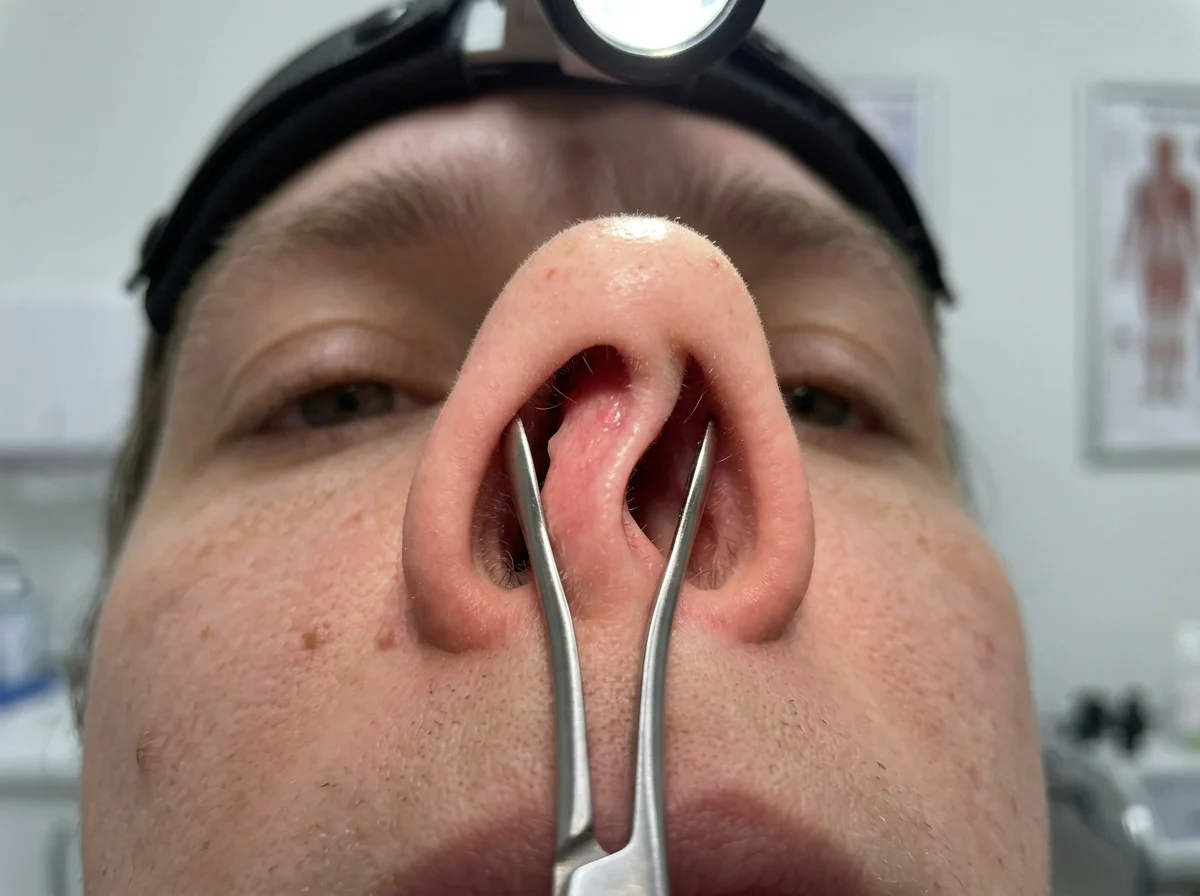
A deviated septum is a bend in the wall between your nostrils. Many people have one without any trouble. Treatment is useful when the bend is a significant cause of blocked breathing.
ENT care in Bandra, MumbaiAbout Dr Adip Shetty
On this page
When does a bent septum matter?
You may breathe through your mouth or notice one nostril is consistently harder to breathe through. A previous injury can contribute, though a bend can also develop as the nose grows.
What the examination checks
The doctor looks at the septum, the lining and the entrance to the nose. A small camera may help. Allergy and swollen tissue can add to the blockage, so the whole nose needs assessment.
Can treatment help without surgery?
Medicines cannot straighten cartilage or bone. They can reduce swelling that is making the blockage worse. If symptoms are mild, no treatment may be needed.
When is septoplasty considered?
An operation may help when the bend continues to restrict breathing despite treating other causes. The decision is based on symptoms and examination, rather than a scan report alone. The likely benefit and recovery should be clear before you decide.

A note on your care
“A bend in the septum is one part of the picture. What matters is how you breathe and whether treating that bend is likely to help your particular symptoms.”
A little more clarity
Common questions
Does a deviated septum always need surgery?
No. A bend without troublesome symptoms can be left alone.
Will septoplasty change the shape of my nose?
Its aim is to improve the inside airway. Changing the outer shape is a separate procedure, although an unintended shape change is a possible surgical risk.
Can a spray straighten the septum?
No. It can reduce swelling around the bend, which may still improve breathing.
Do I need a scan to confirm a bent septum?
Often an examination is enough. A scan is reserved for cases where it would answer another question, such as associated sinus disease.
Sources and review
Updated . General information to help you prepare for a consultation.
Clinically reviewed by Dr Adip Shetty on .