
TreatmentHearing implants
Bone-conduction implants
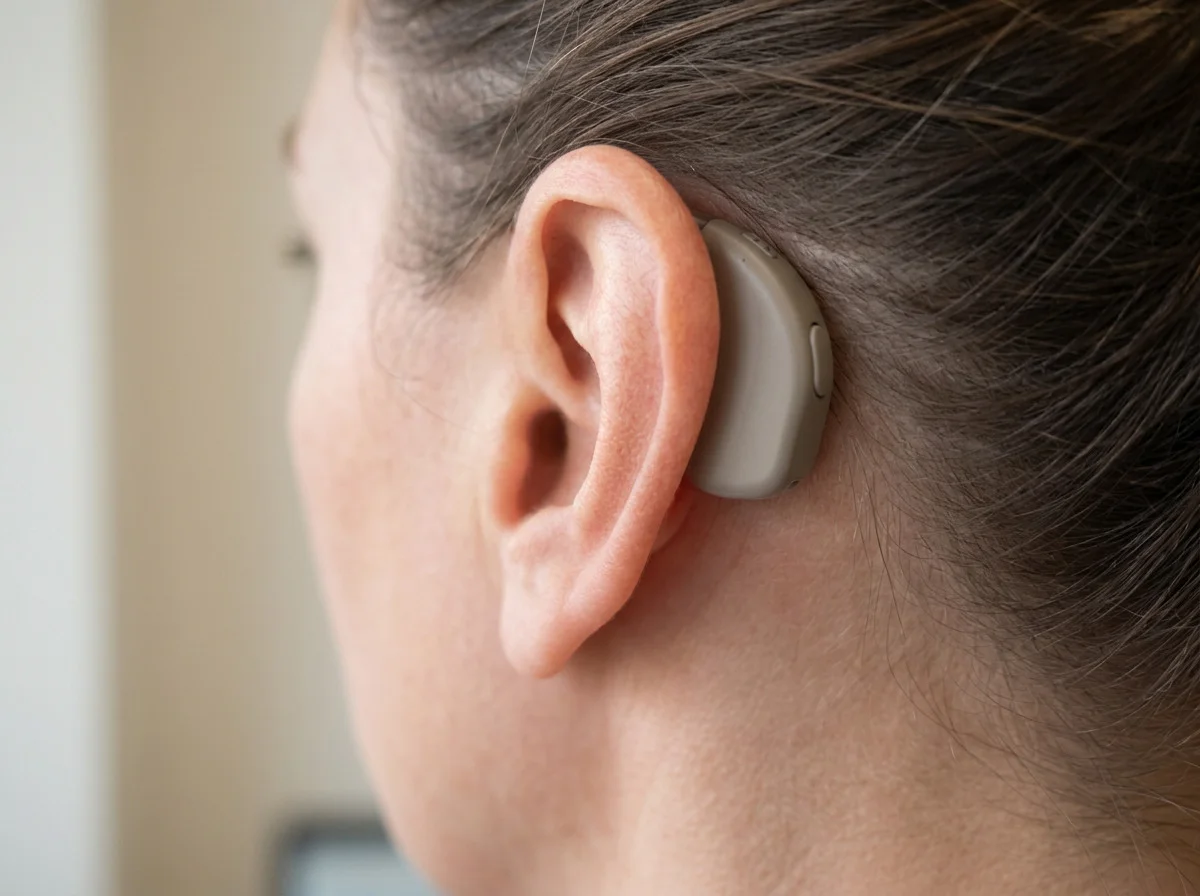
A bone-conduction hearing device sends sound through the skull to a working inner ear. It may help when an ordinary hearing aid is difficult to wear or cannot bypass an outer- or middle-ear problem.
ENT care in Bandra, MumbaiAbout Dr Adip Shetty
- How it works
- Sound reaches the inner ear through vibration.
- Before surgery
- A headband trial may help you judge the benefit.
- Other options
- Some people use a device without an implant.
Who might benefit?
Possible users include people with repeated ear-canal problems, a narrow or absent ear canal, or some types of hearing loss involving the outer or middle ear. For selected people with deafness on one side, sound can be sent to the better ear.
What happens before choosing a device?
Hearing tests check how well the inner ear receives sound. The team reviews conventional hearing aids and may offer a processor on a headband. Scans are sometimes needed. Different systems attach through the skin or sit underneath it.
Surgery and follow-up
The operation depends on the device. The wound needs time to heal before the processor is fitted and programmed. Follow-up checks the skin, comfort and hearing. Ask when you can wash your hair, exercise and return to work.
Risks and limitations
Skin irritation, infection, failure of the implant to stay fixed and device problems can occur. A further operation may be needed. MRI rules differ between devices. Hearing benefit varies, and a device routing sound from a deaf side does not restore hearing in that ear.

A note on your care
“A hearing device needs to fit your daily routine as well as your ear. Ask how it feels to wear, how to care for it and what you can try before deciding.”
A little more clarity
Common questions
General answers, so you can arrive with a clearer sense of what to ask.
Is this the same as a cochlear implant?
No. Bone-conduction devices send vibration to an inner ear that can use it. Cochlear implants send electrical signals to the hearing nerve.
Can I try it before deciding?
Often a headband trial is possible. It gives useful information about benefit, though it may not sound exactly like an implanted system.
Do I have to have surgery?
Not always. A headband or other non-surgical device, a hearing aid or a sound-routing aid may be suitable.
What does BAHA mean?
It is a commonly used name for bone-anchored hearing systems. Several types exist, with different fittings and care needs.
Sources and review
Updated . General information to help you prepare for a consultation. Information on this website does not replace a consultation.
Clinically reviewed by Dr Adip Shetty on .
Read next
Pages that sit beside this treatment.