
Nose and sinus
Nasal polyps
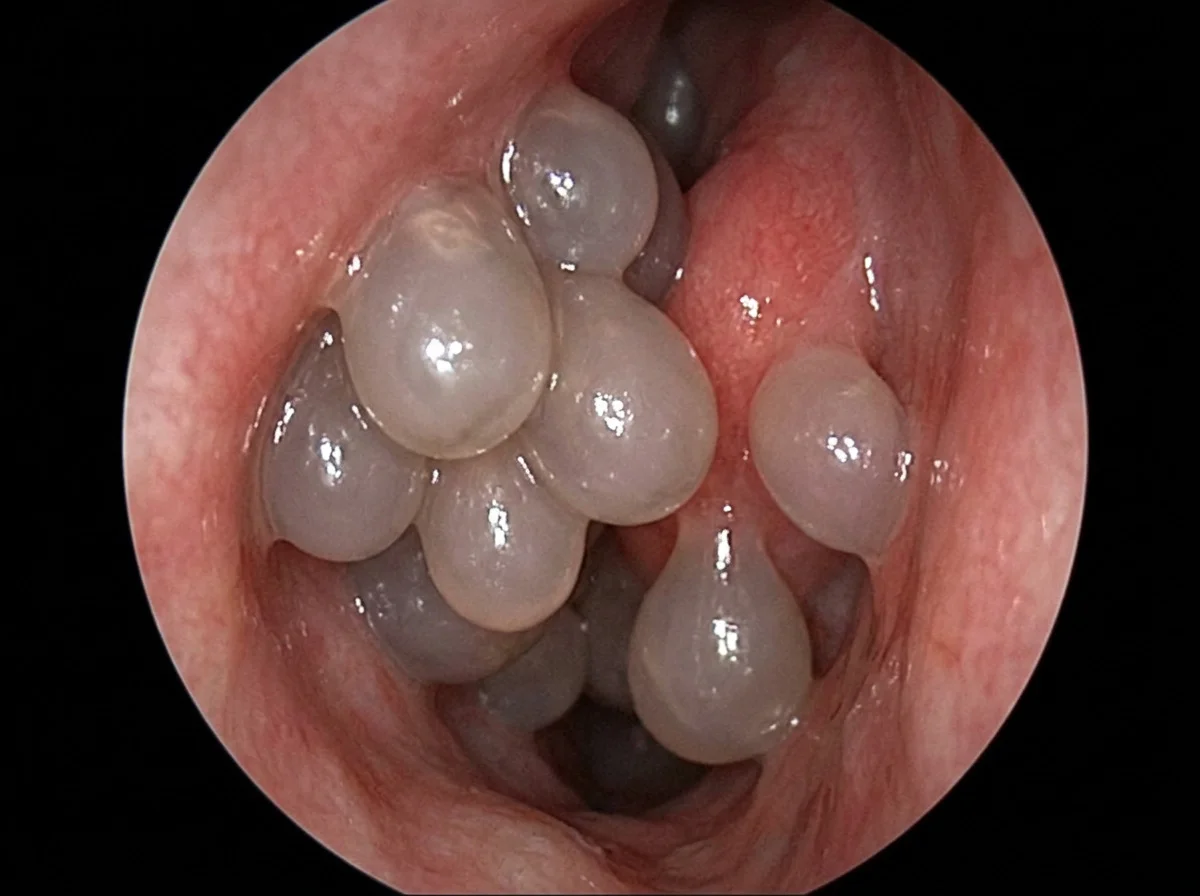
Nasal polyps are soft swellings inside the nose or sinuses. They can block breathing and reduce your sense of smell. Treatment usually starts with medicines to reduce the swelling.
ENT care in Bandra, MumbaiAbout Dr Adip Shetty
On this page
What symptoms can polyps cause?
Both sides of the nose may feel blocked. Mucus, mouth breathing and a reduced sense of smell or taste are common. Symptoms often last longer than an ordinary cold.
How they are checked
An ENT doctor looks inside the nose, sometimes using a thin camera. Tell them about asthma or reactions to aspirin or similar painkillers. A CT scan may be needed for persistent disease or planning surgery.
Medicines and surgery
A steroid nasal spray or drops can shrink polyps. Some people need a short course of prescribed steroid tablets. Salt-water rinses can also help. If symptoms remain troublesome, sinus surgery can remove the polyps and open the affected areas.
Keeping symptoms under control
Ongoing nasal treatment is often needed after surgery because inflammation can continue. Follow-up checks how well you are breathing and whether smell is improving.
When to seek help sooner
A growth or blockage on only one side, especially with bleeding, needs assessment. Swelling around an eye or a change in vision needs urgent care.

A note on your care
“Being unable to smell your food or breathe comfortably through your nose affects everyday pleasures. Those are important things to discuss when we plan your care.”
A little more clarity
Common questions
Are nasal polyps cancer?
Typical inflammatory polyps are not cancer. A one-sided or unusual growth may need a tissue sample to confirm what it is.
Will my sense of smell return?
It may improve with treatment, but recovery varies. Surgery cannot guarantee that smell returns or that polyps never come back.
Do I need steroid tablets?
Not everyone does. Nasal treatment is often tried first. Tablets are prescribed selectively because they affect the whole body.
Why continue a spray after polyps are removed?
Surgery removes tissue but does not switch off the underlying inflammation. Ongoing treatment can help delay recurrence.
Sources and review
Updated . General information to help you prepare for a consultation.
Clinically reviewed by Dr Adip Shetty on .