Ear and hearing
Earwax
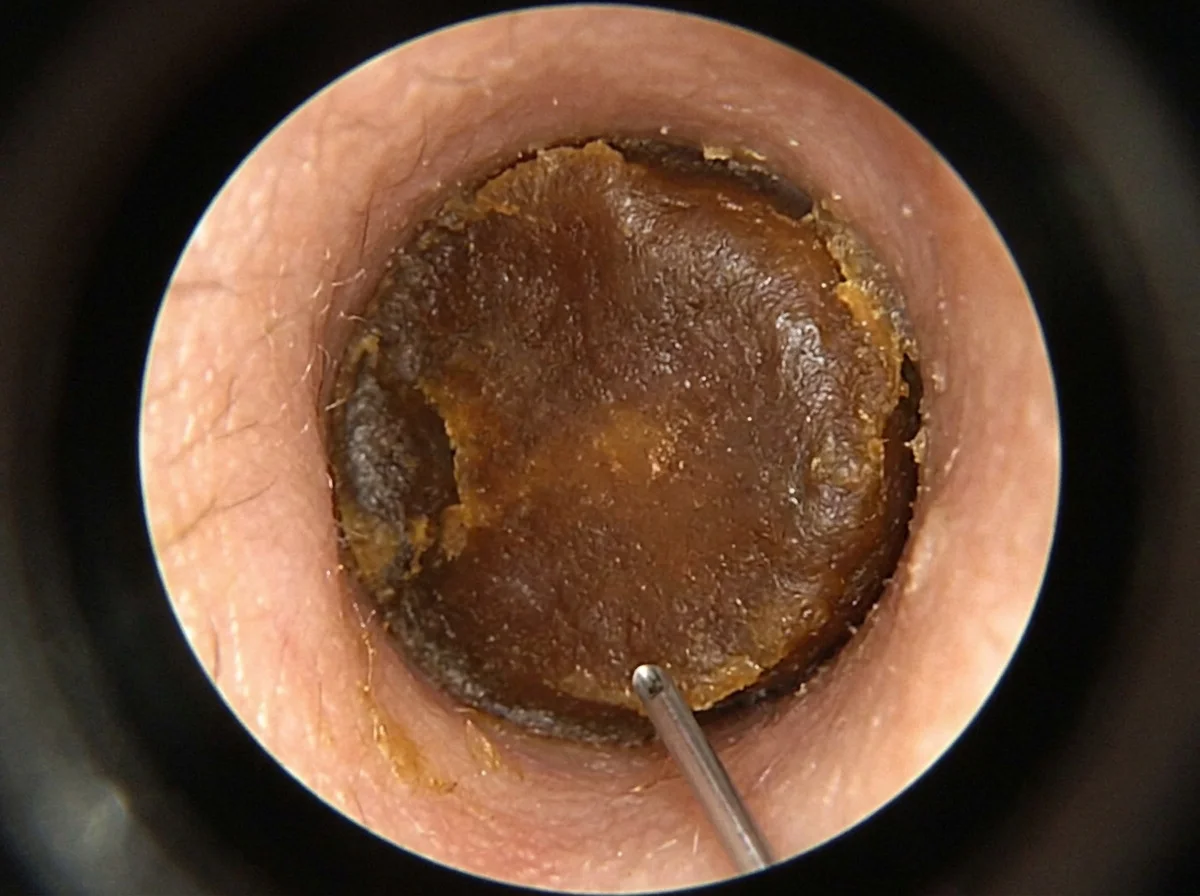
Earwax protects the ear canal and usually clears naturally. When it builds up and causes symptoms, a clinician can soften or remove it safely after checking your ear.
ENT care in Bandra, MumbaiAbout Dr Adip Shetty
On this page
Could it be earwax?
Wax can cause fullness, itching or reduced hearing. These symptoms can also come from infection or an inner-ear problem. A sudden drop in hearing needs urgent assessment, even if the ear feels blocked.
How is earwax removed?
After examining the ear, the clinician may suggest softening drops, gentle suction, small instruments or irrigation with a controlled flow of water. Previous ear surgery, a hole in the eardrum or an infection can change which method is safe.
What can I try at home?
A pharmacist can advise on softening drops for uncomplicated wax. Ask a clinician first if you have pain, discharge, a known eardrum hole, grommets or previous ear surgery. Cotton buds often push wax deeper; ear candles have no proven benefit.
After removal
Hearing may improve quickly if wax was the cause. If it stays reduced, the ear needs another check and possibly a hearing test. You do not need regular cleaning unless wax repeatedly causes problems.

A note on your care
“A blocked ear may seem like a small problem until it interrupts your day. Let’s first check what is causing the blockage and how to deal with it safely.”
A little more clarity
Common questions
Does microsuction hurt?
It may feel noisy or uncomfortable. Tell the clinician if it hurts or makes you dizzy so they can pause and reassess.
Should I clean inside my ears every day?
No. Wipe the outer ear gently. Leave the canal alone unless a clinician gives you a specific care plan.
Are ear candles effective?
There is no good evidence that they remove wax. They can cause injury and should be avoided.
Why is my hearing still muffled after wax removal?
Wax may not have been the only cause. The eardrum should be checked and a hearing test considered if hearing remains reduced.
Sources and review
Updated . General information to help you prepare for a consultation.
Clinically reviewed by Dr Adip Shetty on .